



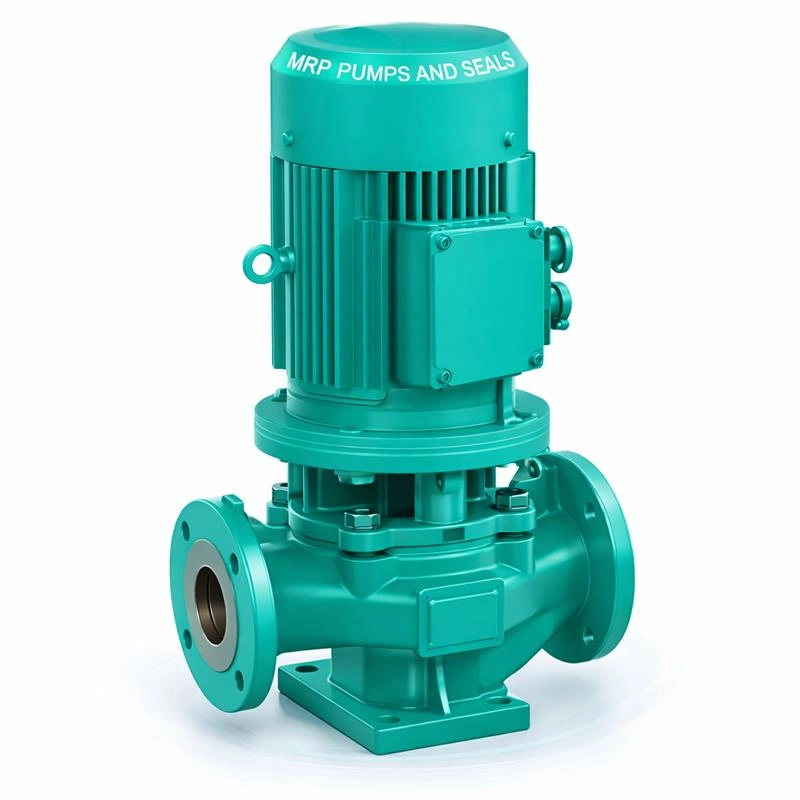
Our vertical inline centrifugal pumps are engineered for reliable and efficient operations across various industries. Ideal for moving clean or slightly contaminated liquids; these pumps handle normal pressures and temperatures with ease. Built with high-quality materials, they provide long service life with minimal maintenance.
The vertical design reduces floor space requirements and simplifies piping connections. These pumps are perfect for continuous operation, minimizing downtime, and maximizing process efficiency. Applications include HVAC systems, water circulation, chemical transfer, and general industrial use. Energy-efficient and easy to maintain, our vertical inline centrifugal pumps are a smart choice for modern industrial operations.
Get Reliable Vertical Inline Centrifugal Pump – Fast & Customized
Vertical Inline Centrifugal Pump Cross Sectional Drawing & Design
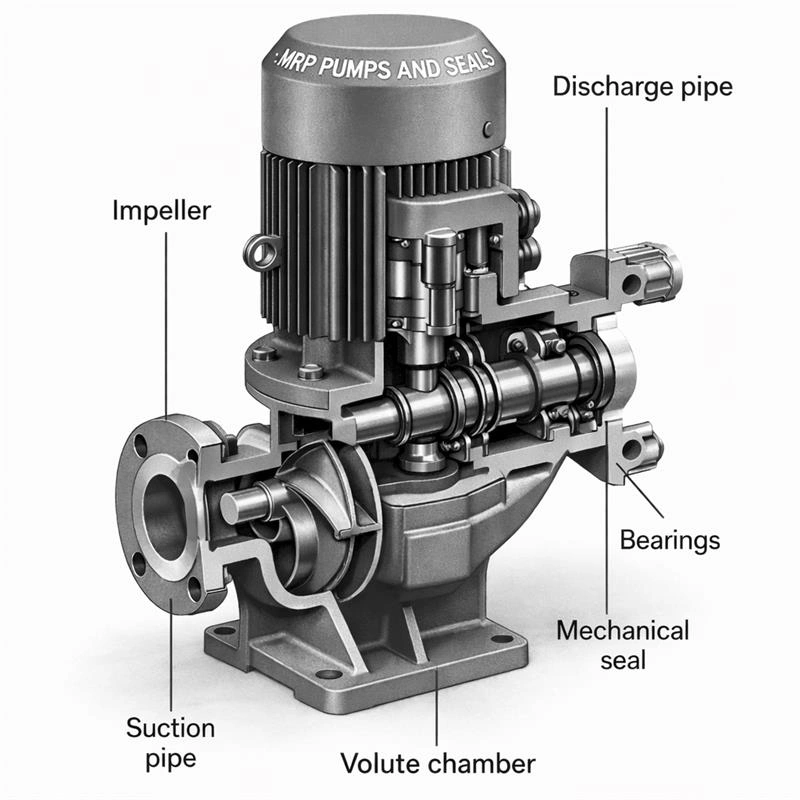
Vertical Inline Centrifugal Pump Cross Sectional Drawing & Design
Technical Specifications of Vertical Inline Centrifugal Pump
Materials of Construction for Chemical Resistance
Download Our Vertical Inline Centrifugal Pump Catalogue
Applications of Vertical Inline Centrifugal Pumps
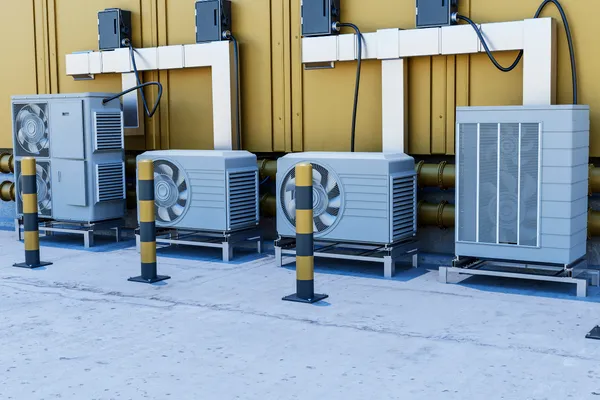
HVAC & Utility Systems
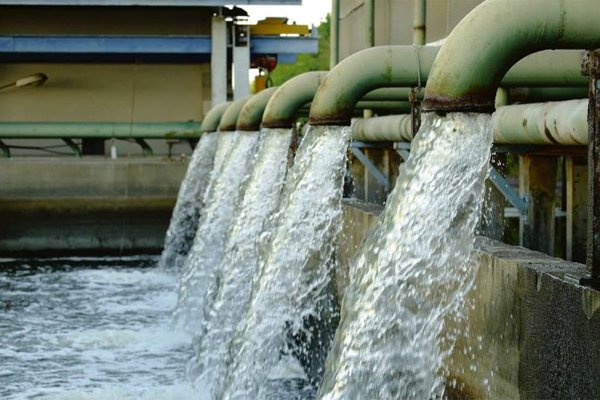
Water Supply & Circulation Systems
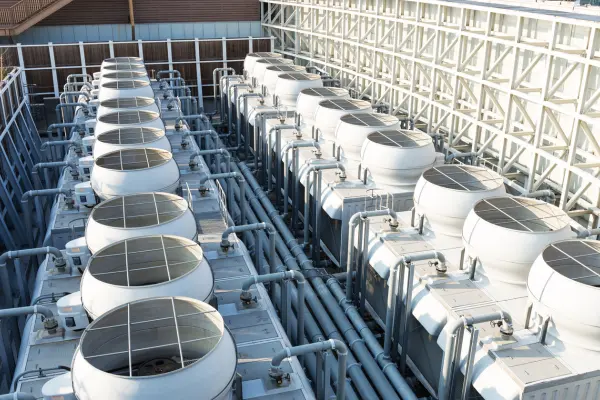
Cooling Tower & Chiller Applications

Organic & Inorganic Chemical Transfer
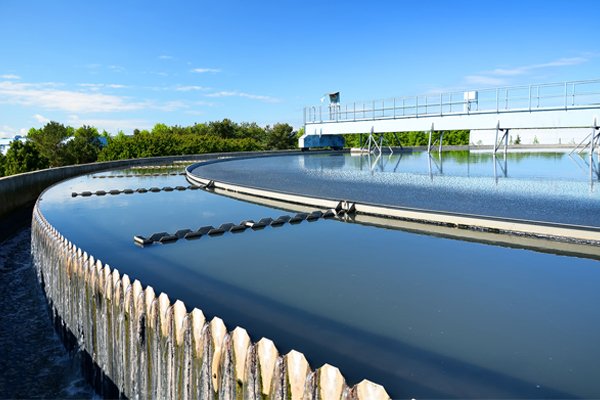
Effluent & Sewage Treatment Plants (ETP/STP)

Food & Beverage Industry Processing

Pharmaceutical & Bulk Drug Transfer
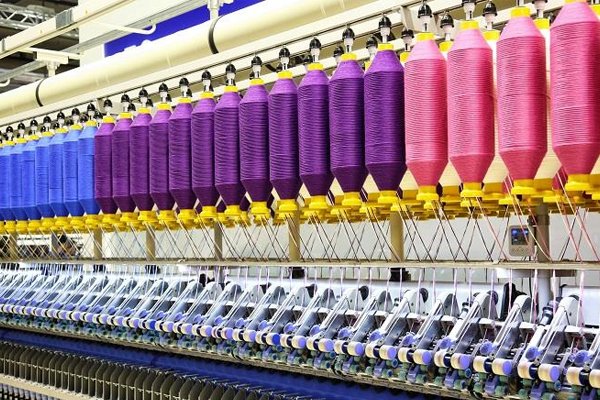
Textile & Laminate Processing
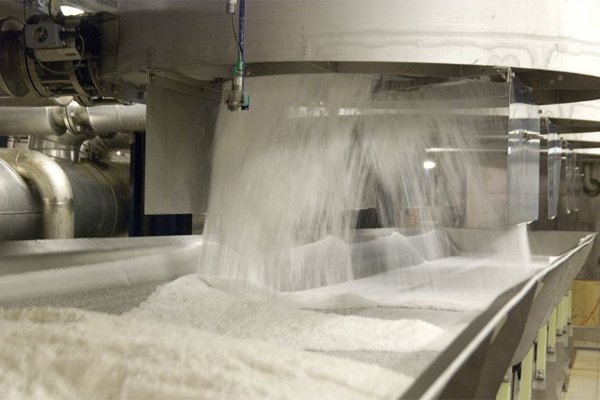
Sugar, Salt & Starch Plants
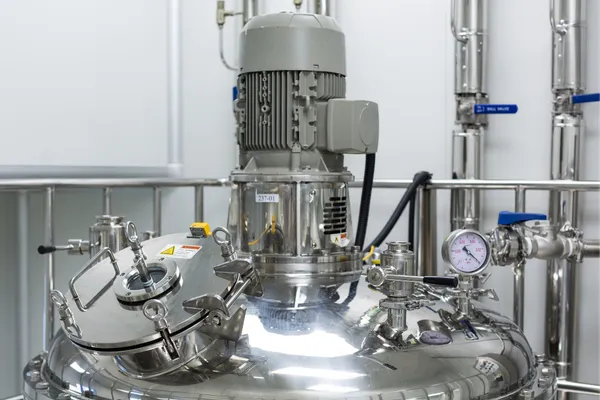
Filter Press Feeding

Slurry Handling (mildly abrasive)
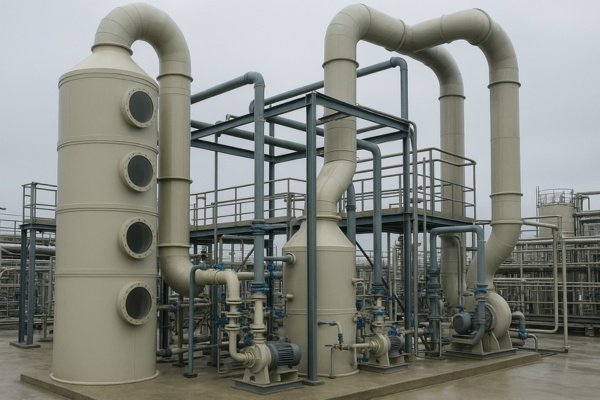
Rubber & General Industrial Applications
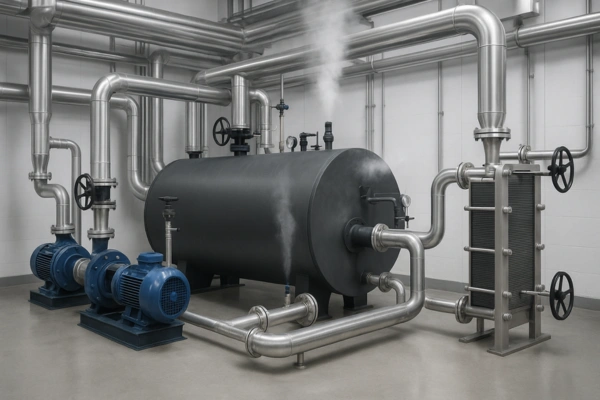
Caustic & Acidic Liquid Handling
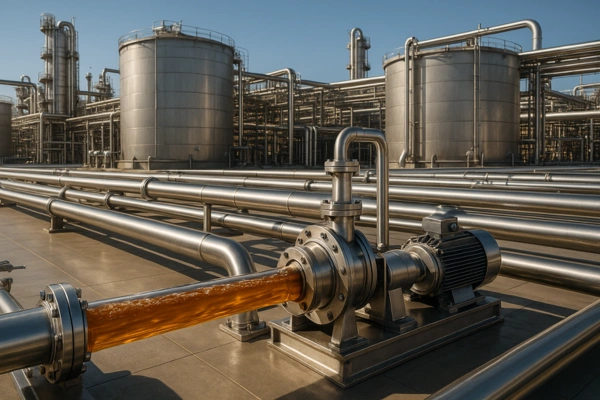
Oil Extraction & Waste Management
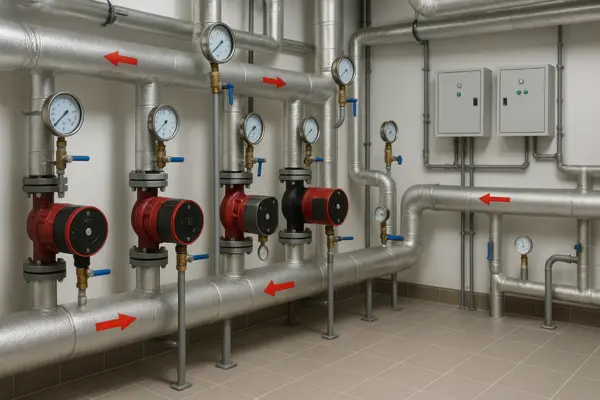
Hot & Cold-Water Circulation
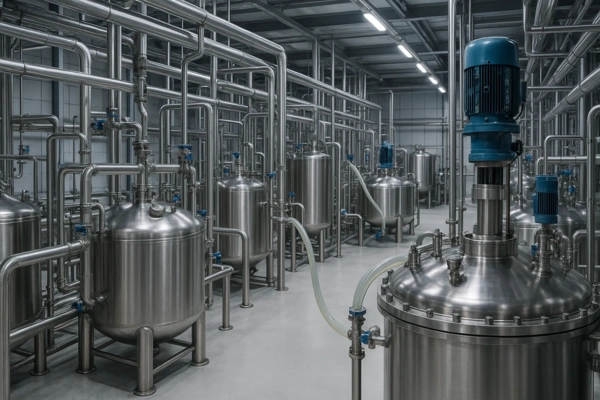
Industrial Cleaning & Washing Systems
Vertical Inline Centrifugal Pump Selection Guide
Benefits of Our High-Efficiency Vertical Inline Centrifugal Pumps
- Lower Operating Costs: Efficient hydraulic design reduces energy consumption.
- Minimal Downtime: Durable construction supports continuous operation.
- Easy Installation: In-line design saves space and simplifies piping connections.
- Reduced Maintenance: Reliable seals and bearings reduce servicing needs.
- Versatile Applications: Suitable for clean and slightly polluted liquids.
- Long Service Life: Premium materials and robust construction ensure longevity.
- Lower Operating Costs: Efficient hydraulic design reduces energy consumption.
- Minimal Downtime: Durable construction supports continuous operation.
- Easy Installation: In-line design saves space and simplifies piping connections.
- Reduced Maintenance: Reliable seals and bearings reduce servicing needs.
- Versatile Applications: Suitable for clean and slightly polluted liquids.
- Long Service Life: Premium materials and robust construction ensure longevity.
Customization Options in Vertical Inline Centrifugal Pumps
MRP Pumps customizes every aspect of our vertical inline centrifugal pumps to meet specific requirements:
Vertical Inline Centrifugal Pump Installation Guidelines
Proper installation ensures efficient operation and longevity with minimal maintenance:
1. Foundation Preparation
Install on a solid, level base to reduce vibration effectively and safely.
2. Pump-Motor Alignment
Ensure precise alignment to prevent wear and prolong life.
3. Suction Line Setup
Use straight, sloped suction piping for smooth fluid intake.
4. Discharge Piping Support
Properly support discharge lines to avoid stress.
5. Control Valve Installation
Place isolation and control valves for easy access.
Latest Vertical Inline Centrifugal Pump Blogs & Technical Articles
Customer Testimonials & Success Stories
Posted on Testimonials 

Karan Singh
17. January, 2025.

The industrial pumps from MRP Pumps have been incredibly reliable in our manufacturing process. Their technical support team is always ready to assist, making them a preferred choice for us
Posted on Testimonials
Anil Mehta
17. January, 2025.
We’ve been using MRP Pumps pumps in our factory for over two years, and the performance has been outstanding. Their durability and efficiency have made a significant difference to our operations.
Posted on Testimonials
Arvind Sharma,
17. January, 2025.
We have been using MRP Pumps's industrial pumps for over three years, and they have consistently delivered excellent performance. The reliability and quality of the pumps have greatly improved our production efficiency
Posted on Testimonials
Ravi Kumar
17. January, 2025.
MRP Pumps has been a trusted partner for all our industrial pump needs. Their products are durable, cost-effective, and easy to maintain, contributing to smooth and uninterrupted operations at our plant.
Need Help Choosing the Right Vertical Inline Centrifugal Pump? Our Experts Are Ready to Assist You
Need Help Choosing the Right Vertical Inline Centrifugal Pump? Our Experts Are Ready to Assist You
Frequently Asked Questions – Vertical Inline Centrifugal Pumps
Q1: What is a vertical inline centrifugal pump?
A pump with in-line suction and discharge that moves liquids using centrifugal force.
Q2: Where are vertical inline pumps used?
Commonly in HVAC, water circulation, chemical transfer, and industrial processes.
Q3: How do I select the right vertical inline pump?
Consider flow rate, head, fluid type, material compatibility, efficiency, NPSH, and system layout.
Q4: What materials are used?
Cast iron, bronze, SS-304/SS-316, duplex/super duplex, Hastelloy, Alloy 20.
Q5: What are the advantages and disadvantages of vertical inline centrifugal pumps?
Advantages: Compact, energy-efficient, and easy maintenance.
Disadvantages: Limited suction lift, less suitable for highly viscous or abrasive fluids.
Q6: How to prevent clogging?
Ensure NPSHa exceeds NPSHr, proper pipe sizing, and minimal suction lift.
Q7: What are common maintenance issues in vertical inline centrifugal pumps and how can they be fixed?
Cavitation, vibration, bearing wear, seal leaks; fixed by proper installation, routine checks, lubrication, and cleaning.