



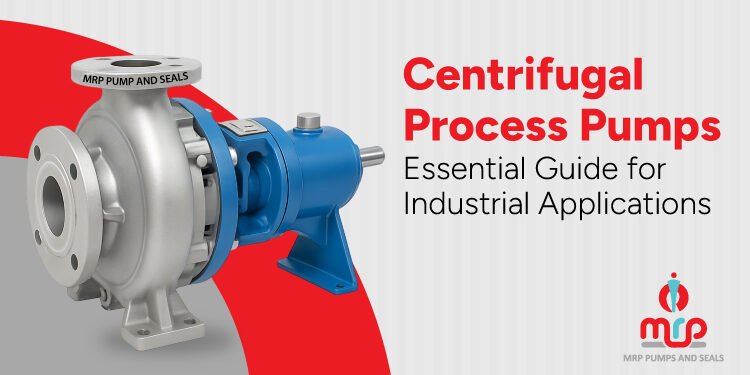
Our close coupled centrifugal pumps are designed to give dependable and efficient performance in many industries. The pump and motor are joined together, so there is no need for alignment, making the system very simple and reliable. These pumps easily handle clean or slightly dirty liquids and work well under normal pressure and temperature. Made with strong and durable materials, they run for long periods with fewer chances of breakdowns. Their continuous-duty design keeps your operations smooth with minimum downtime.
These pumps are very easy to install and require little maintenance. The compact design and strong sealing system help them deliver stable performance for a long time. They are widely used in cooling systems, filtration units, chemical plants, and general industrial applications. With their small footprint, flexible mounting choices, and energy-saving features, these pumps are a practical and economical solution for different industrial needs.
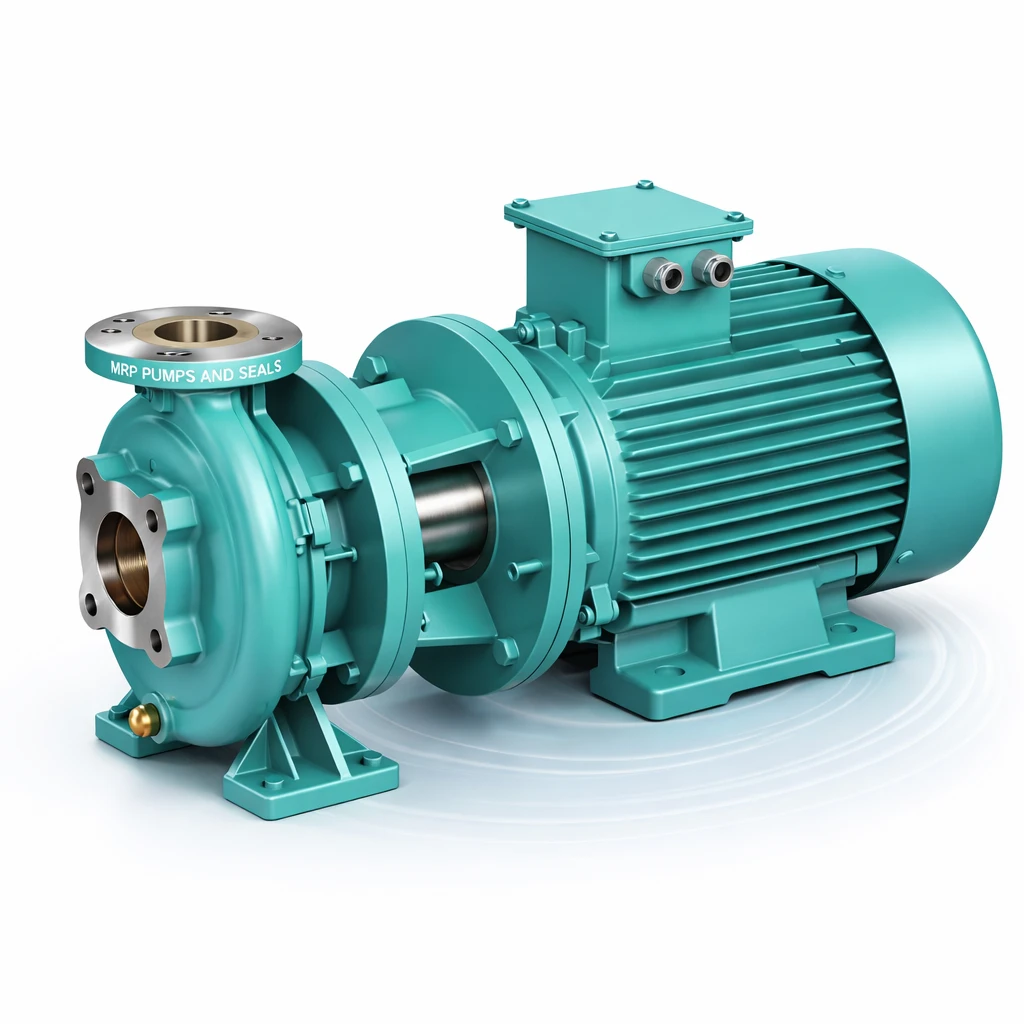
Get Reliable Close Coupled Centrifugal Pump – Fast & Customized
Close Coupled Centrifugal Pump Cross Sectional Drawing & Design
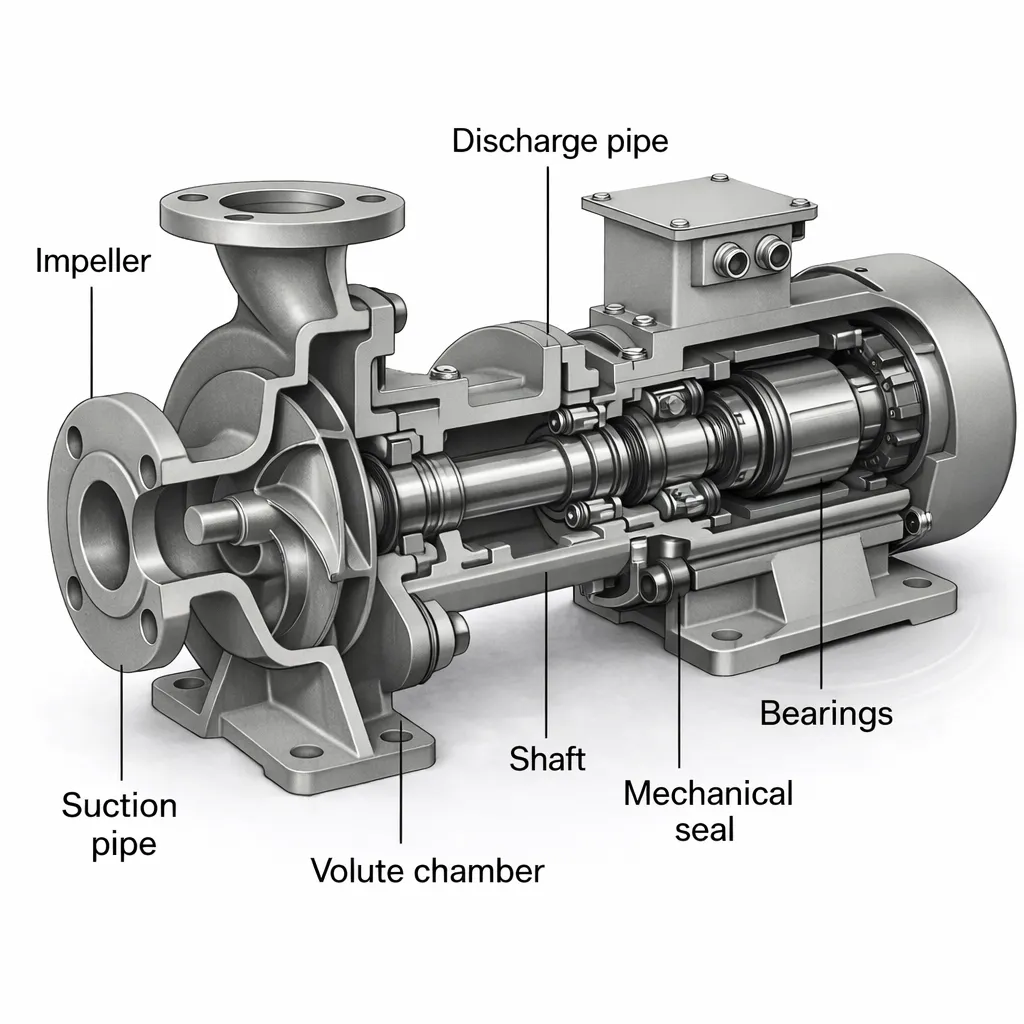
Close Coupled Centrifugal Pump Cross Sectional Drawing & Design
Technical Specifications of Close Coupled Centrifugal Pump
Materials of Construction for Chemical Resistance
Download Our Close Coupled Centrifugal Pump Catalogue
Applications of Close Coupled Centrifugal Pumps

Water Supply
Pressure Boosting
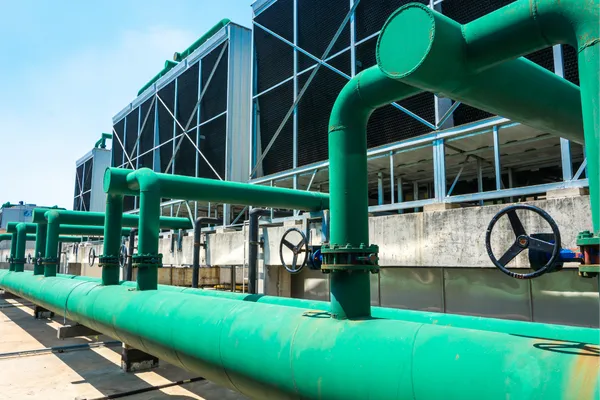
Cooling Water

HVAC Systems
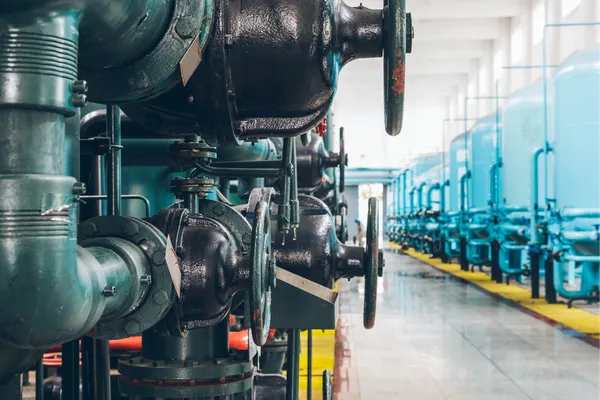
Industrial Washing

Liquid Transfer

Irrigation
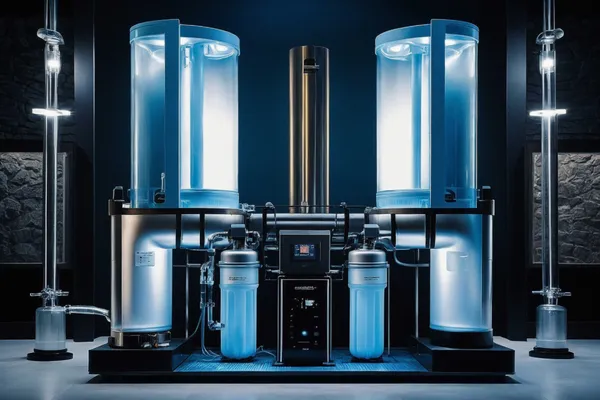
RO Filtration

General Utilities
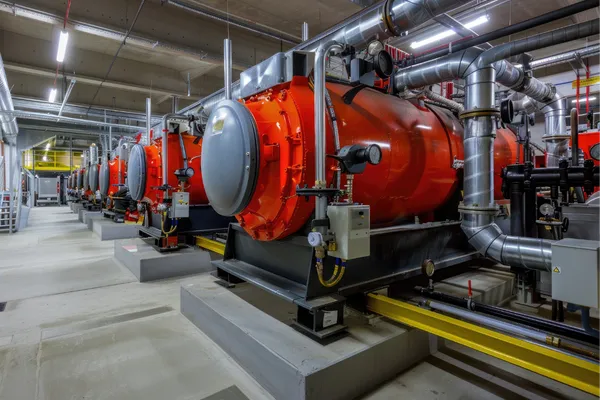
Hot Water Circulation

Process Water

Food Processing
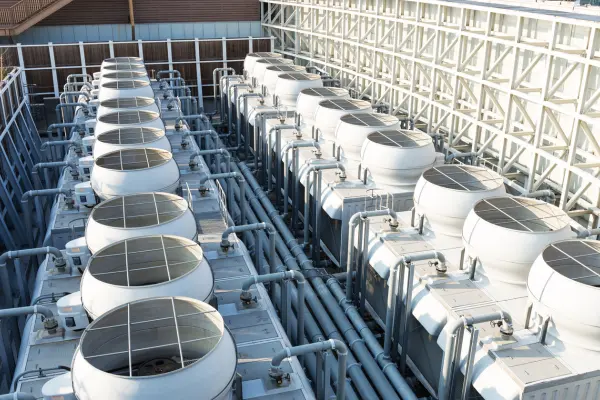
Cooling Towers

Textile Processing

Wastewater Handling
Close Coupled Centrifugal Pump Selection Guide
Benefits of Our High-Efficiency Close Coupled Centrifugal Pump
- Lower Operating Costs: Efficient hydraulic design reduces power usage and long-term expenses.
- Minimal Downtime: Durable construction supports continuous operation with reduced failures.
- Easy Installation: Compact monoblock layout simplifies mounting and system integration.
- Reduced Maintenance: Fewer components and strong mechanical seals minimize service requirements.
- Versatile Applications: Suitable for clean and mildly contaminated liquids across multiple industries.
- Long Service Life: High-quality materials ensure dependable and long-lasting performance.
- Lower Operating Costs: Efficient hydraulic design reduces power usage and long-term expenses.
- Minimal Downtime: Durable construction supports continuous operation with reduced failures.
- Easy Installation: Compact monoblock layout simplifies mounting and system integration.
- Reduced Maintenance: Fewer components and strong mechanical seals minimize service requirements.
- Versatile Applications: Suitable for clean and mildly contaminated liquids across multiple industries.
- Long Service Life: High-quality materials ensure dependable and long-lasting performance.
Customization Options in Industrial Close Coupled Centrifugal Pump
MRP Pumps customizes each unit to match your unique operational requirements.
Close Coupled Centrifugal Pump Installation Guidelines
Proper installation ensures long-term performance and extended pump life with minimal maintenance.
1. Foundation Preparation
Install on a stable, level base to reduce vibration and ensure smooth operation.
2. Pump-Motor Alignment
Although built-in alignment is provided, check mounting stability to avoid stress.
3. Suction Line Setup
Use short, straight suction piping to prevent air pockets and ensure proper flow.
4. Discharge Piping Support
Support pipe weight independently to avoid stress on the pump casing.
5. Control Valve Installation
Install valves in accessible locations for smooth operation and maintenance.
Latest Close Coupled Centrifugal Pump Blogs & Technical Articles
Customer Testimonials & Success Stories
Posted on Testimonials 

Karan Singh
17. January, 2025.

The industrial pumps from MRP Pumps have been incredibly reliable in our manufacturing process. Their technical support team is always ready to assist, making them a preferred choice for us
Posted on Testimonials
Anil Mehta
17. January, 2025.
We’ve been using MRP Pumps pumps in our factory for over two years, and the performance has been outstanding. Their durability and efficiency have made a significant difference to our operations.
Posted on Testimonials
Arvind Sharma,
17. January, 2025.
We have been using MRP Pumps's industrial pumps for over three years, and they have consistently delivered excellent performance. The reliability and quality of the pumps have greatly improved our production efficiency
Posted on Testimonials
Ravi Kumar
17. January, 2025.
MRP Pumps has been a trusted partner for all our industrial pump needs. Their products are durable, cost-effective, and easy to maintain, contributing to smooth and uninterrupted operations at our plant.
Contact Our Close Coupled Centrifugal Pump Experts
Contact Our Close Coupled Centrifugal Pump Experts
Frequently Asked Questions – Close Coupled Centrifugal Pump
Q1: What is a close coupled centrifugal pump?
A pump where the impeller mounts directly on the motor shaft for compact and efficient operation.
Q2: Where are these pumps typically used?
Widely used in HVAC systems, water circulation, filtration units, chemicals, and industrial utilities.
Q3: How do I select the right pump?
Consider flow rate, head, fluid type, material compatibility, efficiency, and system layout.
Q4: What materials are used in construction?
Cast iron, bronze, stainless steel (304/316), duplex grades, Hastelloy, and Alloy-20.
Q5: What are the advantages and disadvantages?
Advantages: Compact, easy to install, low maintenance, energy efficient.
Disadvantages: Limited for high head duties, less suitable for very viscous liquids.
Q6: How to prevent clogging?
Avoid air entry, maintain proper suction conditions, and use appropriate suction strainers.
Q7: What are common maintenance issues?
Seal wear, bearing noise, vibration usually resolved with routine inspection and proper installation.