



Our horizontal single stage side suction pumps are designed for smooth, efficient, and reliable fluid handling across a wide range of industrial applications. These pumps are ideal for transferring clean to mildly contaminated liquids and can operate efficiently under normal pressure and temperature conditions. Built with strong materials and precision engineering, they ensure long-term service with minimal maintenance needs.
The side suction design provides excellent hydraulic performance and simplifies pipeline layout. These pumps are suitable for continuous duty operations, reducing downtime, and increasing productivity in demanding industrial processes. Common applications include chemical processing, water treatment, heating/cooling systems, and general industrial fluid transfer. With their sturdy construction and energy-saving efficiency, our side suction pumps offer an economical and durable solution for modern industrial requirements.
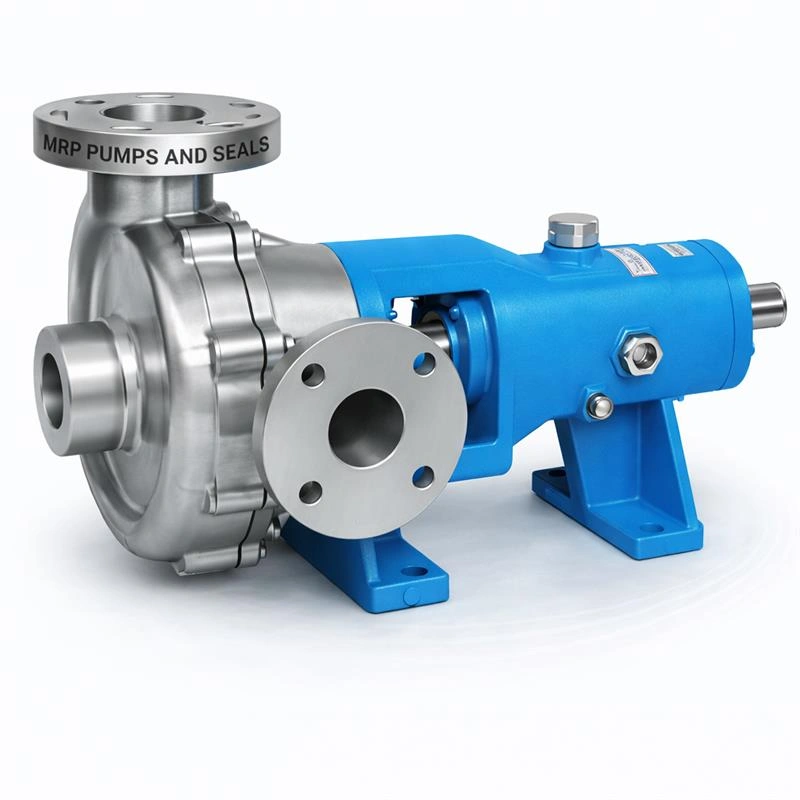
Get Reliable Horizontal Single Stage Side Suction Pump – Fast & Customized
Horizontal Single Stage Side Suction Pump Cross Sectional Drawing & Design
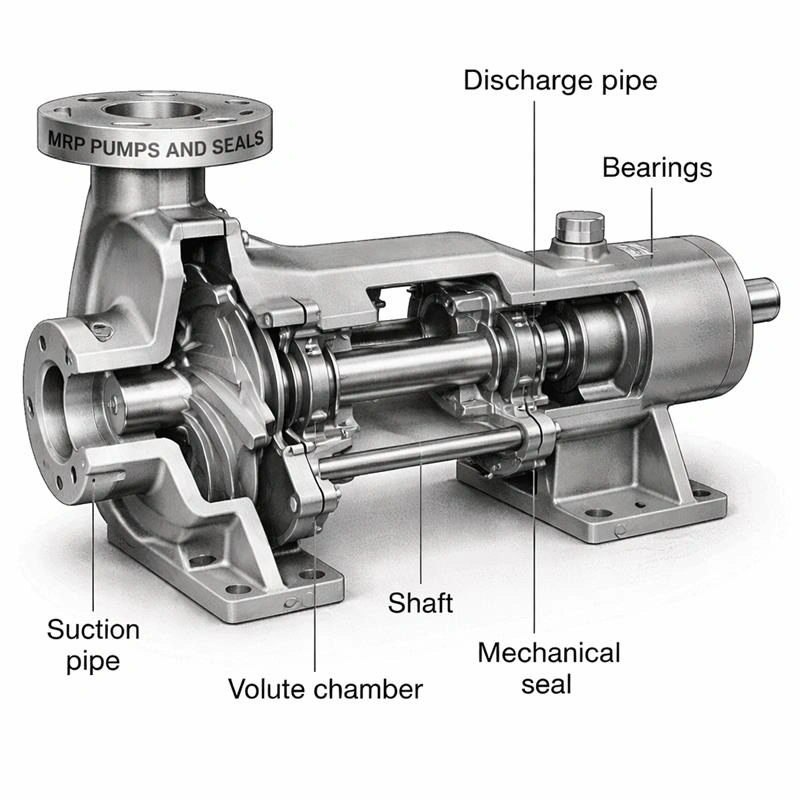
Horizontal Single Stage Side Suction Pump Cross Sectional Drawing & Design
Technical Specifications of Horizontal Single Stage Side Suction Pump
Materials of Construction for Chemical Resistance
Download Our Horizontal Side Suction Pump Catalogue
Applications of Horizontal Single Stage Side Suction Pumps
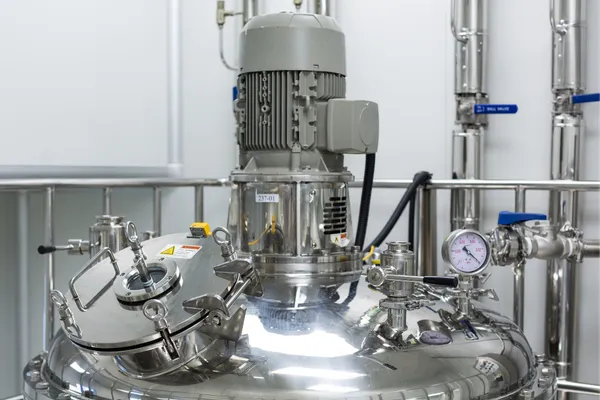
Filter Press Feeding
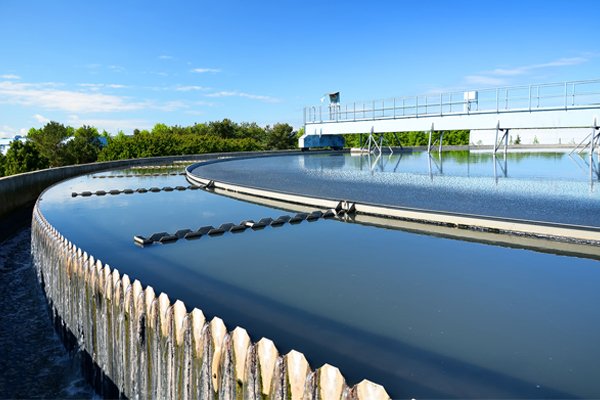
ETP, STP & Wastewater Treatment Plant
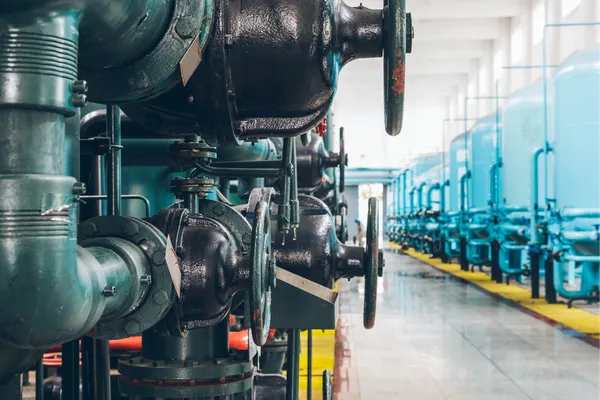
EVA-Operator, Scrubber Application
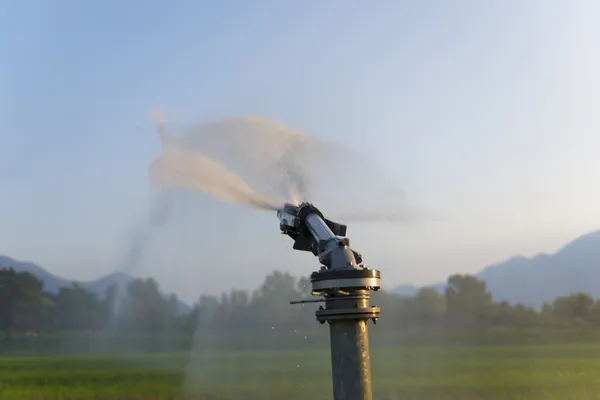
Slurry Transfer

Dyes & Intermediates, Steel Rolling Mills
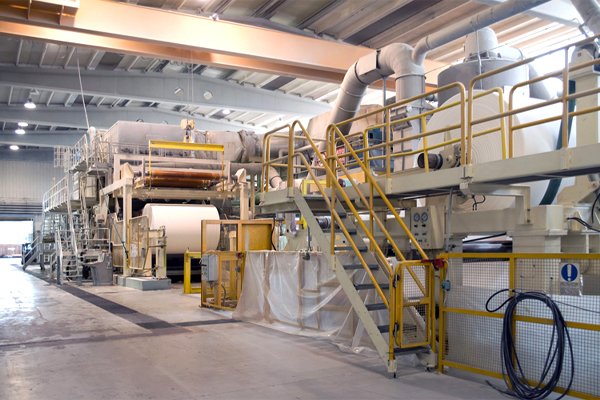
Pulp & Paper, Sugar, Salt, Starch Industries

Zink & Copper Plant
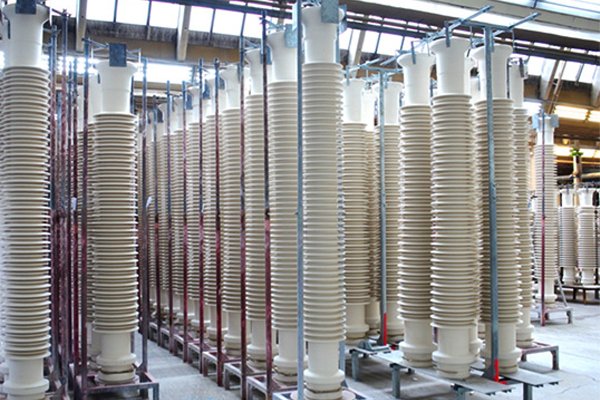
Ceramic, General industrial services, etc
Horizontal Side Suction Pump Selection Guide
Benefits of Our High-Efficiency Horizontal Single Stage Side Suction Pumps
- Lower Operating Costs: High-efficiency design minimizes energy consumption.
- Minimal Downtime: Heavy-duty construction ensures stable, continuous operation.
- Easy Installation: The horizontal layout integrates well with existing piping systems.
- Reduced Maintenance: Durable seals and bearings extend service intervals.
- Versatile Applications: Ideal for handling clean and lightly contaminated fluids.
- Long Service Life: Engineered using high-grade materials for extended durability.
- Lower Operating Costs: High-efficiency design minimizes energy consumption.
- Minimal Downtime: Heavy-duty construction ensures stable, continuous operation.
- Easy Installation: The horizontal layout integrates well with existing piping systems.
- Reduced Maintenance: Durable seals and bearings extend service intervals.
- Versatile Applications: Ideal for handling clean and lightly contaminated fluids.
- Long Service Life: Engineered using high-grade materials for extended durability.
Customization Options in Horizontal Single Stage Side Suction Pumps
MRP Pumps offers customized solutions for each application:
Horizontal Side Suction Pump Installation Guidelines
Proper installation ensures efficient performance, longer service life, and reduced maintenance needs:
1. Foundation Preparation
Install firm, level concrete foundation to minimize vibration.
2. Pump-Motor Alignment
Ensure precision alignment to avoid bearing and coupling wear.
3. Suction Piping Setup
Use straight, direct suction lines for smooth fluid entry.
4. Discharge Line Support
Support discharge piping to prevent loading on the pump casing.
5. Control Valve Installation
Position isolation and non-return valves for easy operation.
Latest Horizontal Side Suction Pump Blogs & Technical Articles
Customer Testimonials & Success Stories
Posted on Testimonials 

Karan Singh
17. January, 2025.

The industrial pumps from MRP Pumps have been incredibly reliable in our manufacturing process. Their technical support team is always ready to assist, making them a preferred choice for us
Posted on Testimonials
Anil Mehta
17. January, 2025.
We’ve been using MRP Pumps pumps in our factory for over two years, and the performance has been outstanding. Their durability and efficiency have made a significant difference to our operations.
Posted on Testimonials
Arvind Sharma,
17. January, 2025.
We have been using MRP Pumps's industrial pumps for over three years, and they have consistently delivered excellent performance. The reliability and quality of the pumps have greatly improved our production efficiency
Posted on Testimonials
Ravi Kumar
17. January, 2025.
MRP Pumps has been a trusted partner for all our industrial pump needs. Their products are durable, cost-effective, and easy to maintain, contributing to smooth and uninterrupted operations at our plant.
Need Help Choosing the Right Horizontal Side Suction Pump? Our Experts Are Ready to Assist You
Need Help Choosing the Right Horizontal Side Suction Pump? Our Experts Are Ready to Assist You
Frequently Asked Questions – Horizontal Single Stage Side Suction Pumps
Q1: What is a side suction pump?
A centrifugal pump with suction on the side for smooth flow entry and efficient hydraulic performance.
Q2: Where are these pumps used?
Used in chemicals, water supply, HVAC, wastewater treatment, and general industry.
Q3: How do I select the right pump?
Check flow rate, head, fluid type, material, NPSH, efficiency curve, and installation layout.
Q4: What materials are used?
Cast iron, stainless steel (SS-304/SS-316), duplex alloys, Hastelloy, Alloy-20, and bronze.
Q5: What are the advantages and disadvantages of horizontal single stage side suction pumps?
Advantages: Simple maintenance, cost-effective, efficient operation.
Disadvantages: Limited head range, possible cavitation, not ideal for very viscous fluids.
Q6: How to prevent clogging?
Maintain proper NPSH, keep suction lines short, use strainers, and ensure correct pipe sizing.
Q7: What are the common maintenance issues in these pumps and how can they be resolved?
Vibration, seal leakage, impeller wear; resolved through alignment, lubrication, and regular inspection.